A digital footprint is known as everything we do and say
online creating a footprint of sorts. Someone may have already accessed,
viewed or saved something that people think they may have delete from the
Internet, social media sites, or any online mechanism, it does not mean it is
gone. That means that just because you have deleted it, it does not mean
it is gone. The person that accessed the information or image may have saved it
and then decided to share it onwards.
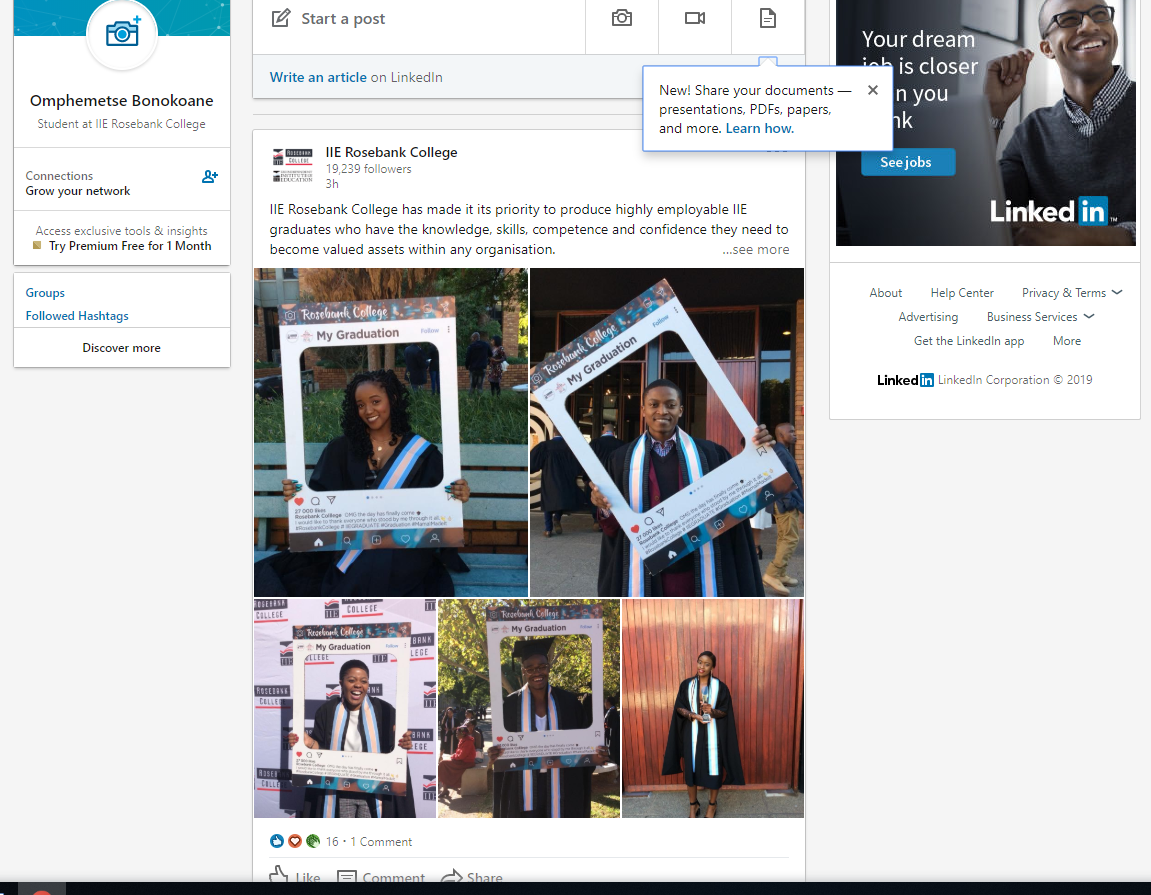
Our digital footprint creates the basis of our online
reputation, a reputation that others may access to assess whether or not we are
trustworthy, reliable, likeable, etc. One needs to be very careful with
their online reputation, as it is just as important as their offline one.
There are many cons of having a digital footprint here are
some examples of harmful digital footprints;
1. Identity
Theft:
Any photo that is publicly shared is fair game for identity
thieves so anyone is at risk especially perceptible teens. Posting personal
information is a serious liability. Identity theft is on the rise and is a
serious problem with very damaging consequences.
Personal data can be used to generate revenue without our
knowledge
2. Employers & Internships:
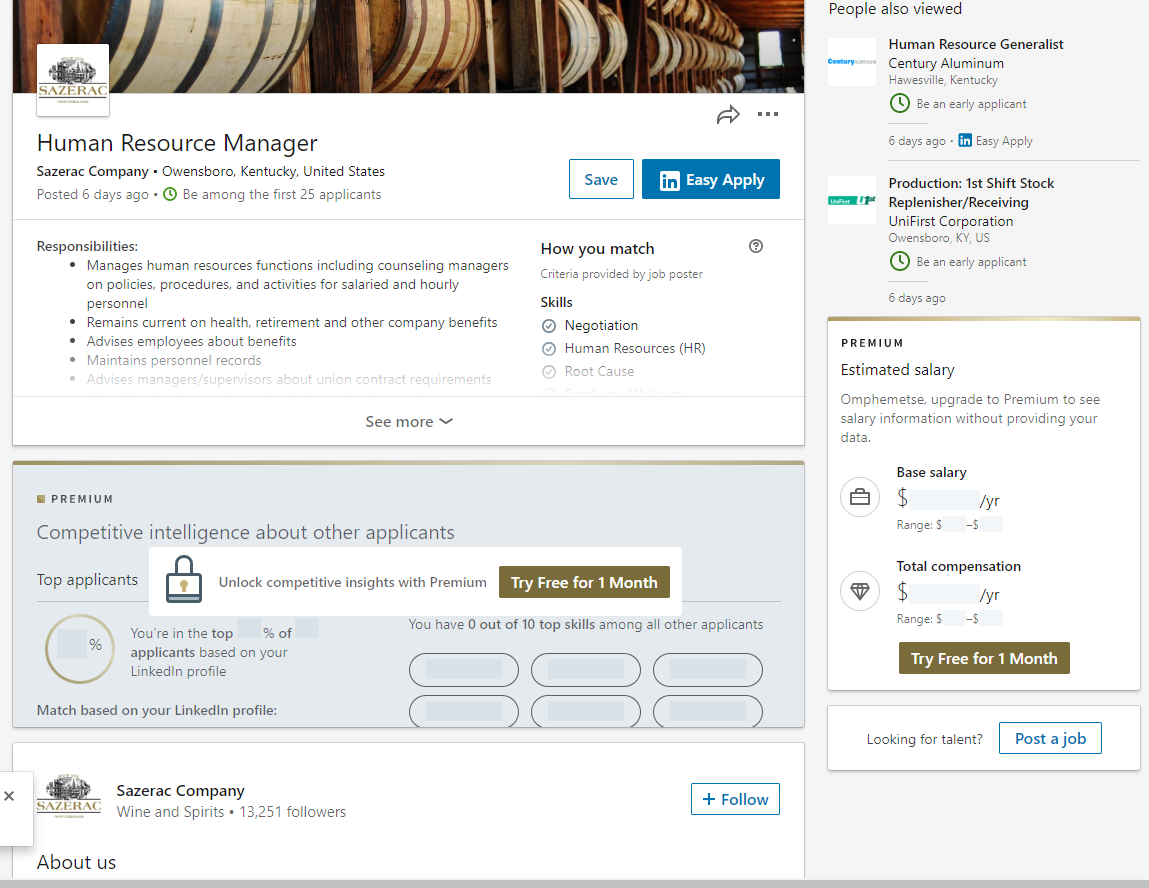
Employers will Google you. Even if it’s just a job you are
applying for to make some extra money while going to college. Additionally
college internships are now becoming a prerequisite for gaining employment
post-college. Internships are competitive enough. The difference between your
son or daughter and another applicant could be their digital footprint.
Purchase behavior data may be used as a basis to reduce
credit limits or increase interest rates
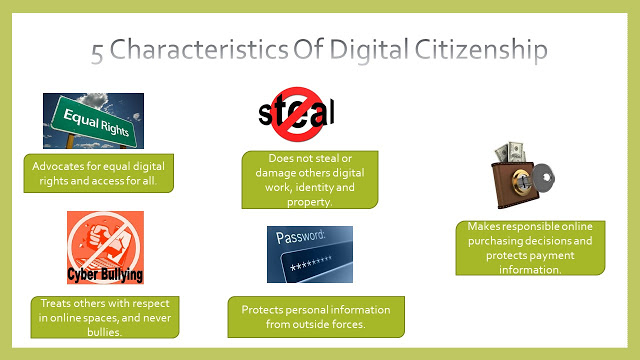
Digital Access is about the
equitable distribution of technology and online resources. Teachers and
administrators need to be aware of their community and who may or may not have
access, not only in school but at home as well. Educators need to provide
options for lessons and data collection such as free access in the community or
provide resources for the home.
Digital Commerce
Digital
commerce is thebuying and selling of goods and services using the
Internet, mobile networks and commerce infrastructure.
It
includes the marketing activities that support these transactions, including
people, processes and technologies to execute the offering of development
content, analytics, promotion, pricing, customer acquisition and retention, and
customer experience at all touchpoints throughout the customer buying journey.
3 Digital Communication
Digital communication is a mode of communication where the
information or the thought is encoded digitally as discreet signals and electronically
transferred to the recipients. Digital communication is one of the most
commonly used mode of communication in the current scenario. In digital communication
information flows in a digital form and the source is generally the keyboard of
the computer.
4 Digital Literacy
Is the ability to use information and communication
technologies to find, evaluate, create and communicate information, requiring
both cognitive and technical skills.
5 Digital Etiquette
Is integrity, or sense of self management, and general
responsibility for your actions as well as yourself on the internet and
treating people like you would in real life. Some basic digital etiquette would
be like respecting others, following the rules of the
website you’re using, or just being kind to others.
6 Digital Law
Is the legal rights and restrictions governing technology
use. In today’s world, many people are not responsible digital citizens. They
are criminals, breaking the law, either knowing or not knowing, what is
appropriate or inappropriate technology use.
7 Digital rights and responsibilities
Is having the right and
freedom to use all types of digital technology while using the technology
in an acceptable and appropriate manner. As a user of digital technology, you
also have the right to privacy and the freedom of personal expression.
8 Digital Health and wellness
Refers to physical and
psycho-social well-being in a technological world. Given the ever-increasing
frequency with which students use technologies, particularly in their personal
lives, health and wellness are areas that need to be addressed in the interest
of developing well-balanced future citizens.
9 Digital Security
Is an all-encompassing term which includes the tools you can
use to secure your identity, assets and technology in the online and mobile world.
These tools you can use to protect your identity include anti-virus software,
web service, biometrics and secure personal devices you carry with you
everyday.
Q.1.2
Digital citizen refers to a
person utilizing information technology in order to engage in society,
politics, and government.
By being an active digital
citizen one can be useful in helping to market organization (Facebook, Airbnb,
Uber), besides marketing or promoting other organizations, digital citizen can
also market their business. If a business needs to get a message around they
should get it through digital citizens, in that way their message gets
delivered by many people. Social capital can be enhanced if digital citizen shares
and market organization accordingly and for the right reasons, if they have
sufficient number of people and carry the message that needs to be carried out.
This platform can help
increase social capital by communication, they could be an advantage to a
person that knows how to sell a product and communicate effectively. Being
respected through your communication with others online can build social
capital which makes it easier to sell a product because the connection has been
created. These platforms can help create a bond with the customer, trust, and
safety and could give them citizen power among online citizen.
These platforms are diverse as
they allow people to access data and information that could make citizens
better citizens. This allow them to be better citizen socially and benefits
them professionally and economically.
Digital citizen however has rights and responsibilities. The influence the way the society see a particular organization. Digital citizen should take up a normative forum, in which they engage with the rest of the community








 Brian's